
- (808) 242•5000
- Send us an email
- Mon - Fri: 8:00 - 5:00

Rental Car Accidents on Maui
Renting a vehicle is one of the most common ways visitors explore Maui. Unfortunately, accidents can happen while navigating unfamiliar roads, busy tourist areas, changing weather conditions, or heavy traffic.
After a rental car accident, many people are left with questions about insurance coverage, medical bills, vehicle damage, and who may be responsible for their losses. The situation can become even more confusing when visitors return home before the claims process is complete.
Understanding how Hawaii’s laws and insurance rules apply to rental car accidents can help you make informed decisions and protect your rights after an injury.
What You’ll Learn on This Page
Why Rental Car Accidents Happen on Maui
Many rental car accidents occur because visitors are driving in unfamiliar surroundings while trying to navigate a new destination. Maui’s unique road conditions, popular tourist attractions, and long travel schedules can create challenges that increase the risk of an accident.
Unfamiliar Roads
Many visitors are driving Maui’s roads for the first time. Unfamiliar intersections, winding coastal highways, narrow roads, and changing speed limits can make it more difficult to react to traffic conditions. Drivers may also be relying heavily on navigation systems while trying to reach unfamiliar destinations.
Distracted Driving
Maui offers breathtaking scenery, beaches, waterfalls, and attractions that naturally capture visitors’ attention. Looking at a phone, adjusting navigation, taking photographs, or focusing on nearby sights can divert attention away from the road. Even a brief distraction can increase the likelihood of a collision.
Traffic Congestion in Tourist Areas
Popular destinations often experience heavy traffic, especially during peak travel seasons. Congested roadways, frequent stops, unfamiliar traffic patterns, and large numbers of visitors can contribute to rear-end collisions and other types of accidents. Busy areas may also involve pedestrians, cyclists, tour buses, and rideshare vehicles sharing the same roads.
Driver Fatigue and Long Travel Days
Many visitors begin driving shortly after arriving on the island following long flights and changes in time zones. Fatigue can affect reaction time, decision-making, and overall awareness behind the wheel. Combined with unfamiliar roads and busy travel schedules, driver fatigue can become a contributing factor in many rental car accidents.
What to Do After a Rental Car Accident
The moments following a rental car accident can be stressful and confusing, especially when you are far from home. Taking a few practical steps can help protect your health, preserve important information, and make it easier to address insurance and legal issues later.
-
Seek Medical Attention – Your health should be the top priority. Even if injuries seem minor, some symptoms may not appear immediately. Prompt medical evaluation can help identify injuries and create important medical records related to the accident.
-
Notify Law Enforcement – If appropriate, contact law enforcement and request that an accident report be completed. Police reports often contain important information about the collision, involved parties, and the circumstances surrounding the crash.
-
Contact the Rental Car Company – Most rental agreements require drivers to report accidents promptly. The rental company can explain the next steps, provide claim information, and advise you regarding vehicle damage procedures.
-
Document the Scene – If it is safe to do so, take photographs and gather information about the accident. This may include vehicle damage, road conditions, traffic signs, witness information, and the contact and insurance information of other drivers involved.
-
Preserve Important Records – Keep copies of accident reports, medical records, rental agreements, receipts, photographs, insurance communications, and any other documents related to the incident. Having organized records can be helpful as the claims process moves forward.
Who Pays After a Rental Car Accident?
One of the most common questions visitors have after a rental car accident is who will be responsible for paying medical expenses, vehicle damage, and other losses. The answer depends on several factors, including the insurance coverage available, how the accident occurred, and the parties involved.
Because multiple insurance policies may apply to the same accident, determining coverage can sometimes be more complicated than many people expect.
Rental Car Insurance
Many rental car companies offer optional insurance coverage at the time a vehicle is rented. Depending on the coverage purchased, these policies may help pay for vehicle damage, liability claims, or other losses resulting from an accident. The specific protections available will depend on the terms of the rental agreement and the coverage selected.
Personal Auto Insurance
In some situations, a driver’s personal automobile insurance policy may provide coverage while operating a rental vehicle. Coverage can vary significantly from one policy to another, so it is often important to review the policy carefully and understand what protections may apply.
Credit Card Coverage
Certain credit card companies provide rental car benefits when the rental is paid for using the card. Depending on the terms of the benefit, coverage may help address certain vehicle damage expenses. Coverage limitations, exclusions, and reporting requirements often apply.
At-Fault Driver's Insurance
If another driver caused the accident, that driver’s insurance may be responsible for paying certain damages. Depending on the circumstances, this could include compensation related to injuries, medical expenses, lost income, and other losses. Determining liability and identifying all available insurance coverage are often important parts of the claims process.
Hawaii Insurance Rules for Rental Cars
Hawaii’s insurance system can be confusing for visitors, especially after a rental car accident. Many people are surprised to learn that Hawaii follows different rules than some other states. Understanding how these insurance laws work can help you better understand what coverage may be available after an accident.
Hawaii's No-Fault System
Lorem ipsum dolor sit amet, consectetur adipiscing elit. Ut elit tellus, luctus nec ullamcorper mattis, pulvinar dapibus leo.
Personal Injury Protection (PIP)
Personal Injury Protection, commonly called PIP, helps pay for medical expenses related to injuries sustained in a motor vehicle accident. In many rental car situations, PIP coverage may apply through the rental vehicle’s insurance coverage. These benefits are designed to help injured people receive medical treatment without waiting for questions of fault to be resolved.
Bodily Injury Claims
In addition to no-fault benefits, injured individuals may have the ability to pursue a bodily injury claim against the at-fault driver under certain circumstances. These claims may involve damages beyond medical expenses, including lost income, pain and suffering, and other losses resulting from the accident.
Uninsured and Underinsured Motorist Coverage
Sometimes the driver responsible for an accident may have little or no insurance coverage available. In these situations, uninsured motorist (UM) or underinsured motorist (UIM) coverage may provide additional protection if such coverage applies. Determining whether UM or UIM benefits are available often requires a careful review of the insurance policies involved.
Common Injuries in Rental Car Accidents
Rental car accidents can cause injuries that range from mild discomfort to life-changing harm. Some injuries are apparent right away, while others may become more noticeable in the hours or days after the crash.
-
Neck and Back Injuries – The force of a collision can strain muscles, ligaments, discs, and other structures in the neck and back. These injuries may cause pain, stiffness, limited movement, or symptoms that interfere with daily activities after returning home.
-
Broken Bones – Fractures can occur when a person’s body strikes part of the vehicle, an airbag deploys, or the crash involves significant impact. Broken bones may require emergency treatment, follow-up care, physical therapy, or time away from work.
-
Traumatic Brain Injuries – A traumatic brain injury can occur when the head is struck or when the force of a collision causes the brain to move inside the skull. Symptoms may include headaches, dizziness, confusion, memory problems, sensitivity to light, or changes in mood.
-
Spinal Cord Injuries – Serious crashes can damage the spinal cord or surrounding structures. These injuries may affect movement, sensation, strength, and long-term independence. Spinal cord injuries often require extensive medical evaluation and ongoing care.
-
Internal Injuries – Internal injuries may involve organs, internal bleeding, or other trauma that is not immediately visible. Because these injuries can be serious, prompt medical attention is important after a significant collision.
Can You File a Claim After Returning Home?
Many visitors involved in rental car accidents leave Hawaii before their insurance claim or legal matter is fully resolved. Questions often arise about whether a claim can continue after returning home, how communication is handled remotely, and what steps should be taken to protect important evidence.
We discuss these topics in greater detail on our Injured While Visiting Maui? page, including:
-
How injury claims may continue after visitors return home.
-
How communication and case management can often be handled remotely.
-
Why taking action early can help preserve important evidence and information.
What Compensation May Be Available?
A rental car accident can affect more than just your vehicle. Depending on the circumstances, injured individuals may experience medical expenses, financial losses, and challenges that continue long after their trip has ended. The compensation available in a particular case will depend on the nature of the injuries and the impact the accident has had on the person’s life.
Medical Expenses
Lorem ipsum dolor sit amet, consectetur adipiscing elit. Ut elit tellus, luctus nec ullamcorper mattis, pulvinar dapibus leo.
Lost Income
Some injuries make it difficult to work during recovery. If an accident causes missed work, lost wages, reduced earning capacity, or other employment-related financial losses, those damages may be considered as part of a claim.
Pain and Suffering
Injuries can affect many aspects of daily life beyond financial costs. Physical pain, emotional distress, limitations on activities, and disruptions to normal routines may all be factors when evaluating the overall impact of an accident.
Future Medical Needs
Some injuries require ongoing treatment after a visitor returns home. Future surgeries, therapy, rehabilitation, medications, and long-term medical care may be necessary depending on the severity of the injury. Understanding these future needs is often an important part of evaluating a claim.
Every accident is different, and the types of compensation available will depend on the specific facts of the case. Evaluating the full impact of an injury can help ensure that both current and future losses are properly considered.
How Lowenthal & Lowenthal Can Help
Rental car accident claims can involve several different insurance companies, policies, and questions about responsibility. Lowenthal & Lowenthal helps injured visitors understand the process, protect important information, and determine what options may be available after an accident on Maui.
-
Investigating the Accident – We help gather information about the crash, review available reports, identify potential witnesses, and evaluate the facts that may affect liability.
-
Explaining Insurance Coverage – Rental car claims can involve rental car insurance, personal auto insurance, credit card coverage, PIP benefits, and the at-fault driver’s insurance. We help clients understand which coverage may apply.
-
Coordinating with Insurance Companies – Dealing with multiple insurance companies can be confusing and time-consuming. We help manage communications and guide clients through the claims process.
-
Assisting Visitors After They Return Home – Many visitors leave Hawaii before their claim is resolved. We can often communicate remotely and help clients stay informed as their case moves forward.
-
Evaluating Available Compensation – We review the impact of the accident, including medical treatment, lost income, pain and suffering, future medical needs, and other losses that may be part of a claim.
-
Guiding Clients Through the Process – Every case is different. Our goal is to provide clear information, answer questions, and help injured visitors make informed decisions about what comes next.
If you were injured in a rental car accident on Maui, Lowenthal & Lowenthal can help you understand your rights, your insurance options, and the steps that may be available after returning home.
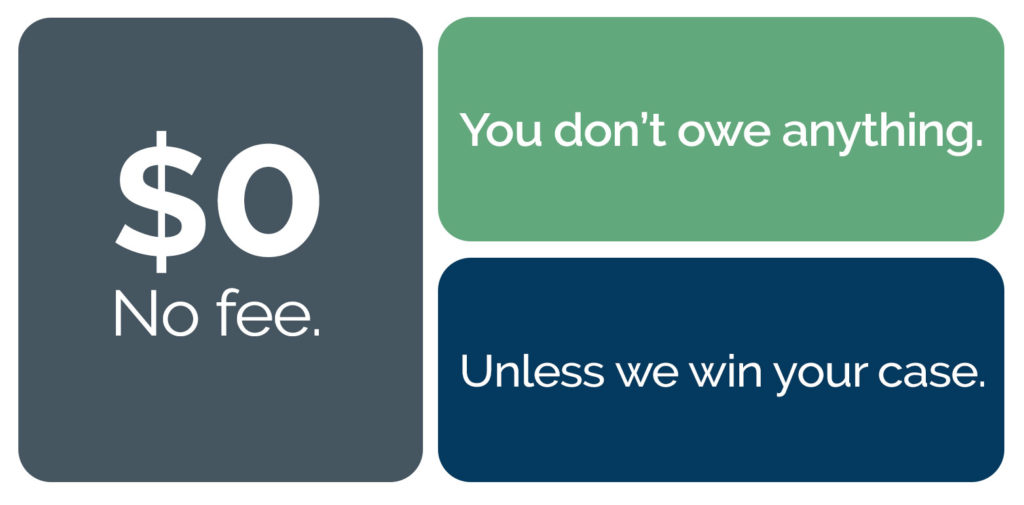
Schedule a consultation to discuss your case with one of our attorneys.
Please fill out the form below; our legal team will get back to you within 24 hours. *Please note this does not create an attorney-client relationship.

© 2020 All rights Reserved. Lowenthal & Lowenthal LLLC
The information presented on this website is for information purposes only and should not be used as a basis of legal advise or guidance. Using this website does not create an attorney-client relationship. Please contact us to see whether we are able to represent you.