
- (808) 242•5000
- Send us an email
- Mon - Fri: 8:00 - 5:00

Injured at a Maui Resort?
Maui’s resorts welcome visitors from around the world. While most guests enjoy a safe and relaxing stay, accidents and injuries can happen when dangerous conditions exist on resort property.
An injury at a hotel or resort can quickly disrupt a vacation and create concerns about medical treatment, insurance coverage, and what steps should be taken next. Visitors are often left wondering who may be responsible for the accident and whether they can pursue a claim after returning home.
Understanding your options and taking action early can help preserve important information and protect your rights after a resort-related injury.
How Resort Injuries Happen
Resorts have a responsibility to maintain reasonably safe conditions for their guests. While every incident is different, many resort injuries occur because of hazardous property conditions, inadequate maintenance, or safety issues that could potentially have been addressed before someone was hurt.
Slip and fall accidents are among the most common injuries reported at hotels and resorts. Wet pool decks, recently cleaned floors, uneven walking surfaces, loose flooring materials, and other hazards can increase the risk of a fall. Guests may be unfamiliar with the property and unaware of dangerous conditions that exist.
Swimming Pool Accidents
Swimming pools are a popular feature at many Maui resorts. Accidents can occur because of slippery surfaces, inadequate supervision, defective equipment, poor maintenance, or a lack of appropriate warnings. Pool-related incidents can result in serious injuries, particularly when head injuries or drowning risks are involved.
Unsafe Walkways and Stairways
Guests often walk throughout large resort properties to reach rooms, restaurants, beaches, and recreational areas. Cracked sidewalks, uneven pavement, damaged handrails, broken steps, and other maintenance issues can create hazards for visitors navigating the property.
Inadequate Lighting
Poor lighting can make it difficult to identify hazards, changes in elevation, obstacles, or unsafe walking conditions. Parking areas, walkways, stairwells, and common areas that are not adequately illuminated may increase the likelihood of an accident, particularly during the evening hours.
Falling Objects and Property Hazards
In some situations, guests may be injured by falling objects, unsecured fixtures, damaged property features, or other dangerous conditions on resort grounds. These incidents can occur in guest rooms, common areas, restaurants, recreational facilities, or other parts of the property where maintenance and safety practices play an important role.
Common Injuries at Maui Resorts
The severity of a resort injury can vary depending on how the accident occurred and the conditions involved. While some incidents result in minor injuries, others can require extensive medical treatment and affect a person’s ability to enjoy their vacation, return to work, or carry out daily activities.
-
Broken Bones – Falls, swimming pool accidents, and other resort-related incidents can result in fractures to the arms, wrists, ankles, hips, ribs, and other parts of the body. Some fractures may require surgery, rehabilitation, or extended recovery periods.
-
Head Injuries – Guests may suffer head injuries after falls, impacts with hard surfaces, falling objects, or other accidents on resort property. Even seemingly minor head injuries should be evaluated by a medical professional.
-
Traumatic Brain Injuries – More serious impacts can result in traumatic brain injuries (TBIs). Symptoms may include headaches, dizziness, memory difficulties, confusion, sensitivity to light, or other cognitive and neurological issues that may not appear immediately after an accident.
-
Neck and Back Injuries – Falls and other accidents can place significant stress on the spine and surrounding muscles, ligaments, and discs. These injuries may cause ongoing pain, reduced mobility, and limitations that continue long after a vacation has ended.
-
Drowning and Near-Drowning Injuries – Swimming pool incidents and water-related accidents can result in serious injuries, including oxygen deprivation, neurological complications, and other long-term health consequences. These situations often require immediate emergency medical care.
Some injuries may not become fully apparent until hours or days after an accident. Seeking prompt medical attention can help identify injuries early and ensure appropriate treatment is provided.
What to Do After a Resort Injury
The steps taken after a resort injury can affect both your recovery and your ability to document what happened. While every situation is different, taking a few practical actions can help preserve important information and ensure that your injuries are properly addressed.
-
Seek Medical Attention – Your health should always be the first priority. Even if an injury initially appears minor, some symptoms may not develop until later. Prompt medical evaluation can help identify injuries and create important records related to the incident.
-
Report the Incident – Notify resort management or the appropriate staff member as soon as possible. Request that an incident report be created and ask for a copy if one is available. Reporting the incident helps create a record of when and where the injury occurred.
-
Take Photographs – If it is safe to do so, photograph the area where the incident occurred. Pictures of hazardous conditions, property damage, visible injuries, warning signs, or the surrounding environment may help preserve details that could change over time.
-
Obtain Witness Information – Witnesses may have observed important details about how the incident occurred. When possible, collect names and contact information from anyone who saw the accident or the conditions that contributed to it.
-
Preserve Important Records – Keep copies of medical records, receipts, photographs, incident reports, correspondence, and any other documents related to the injury. Organized records can be helpful when dealing with insurance claims or evaluating legal options later.
Taking these steps does not obligate you to pursue a claim, but it can help preserve important information and provide a clearer understanding of what occurred if questions arise later.

Determining who may be responsible for a resort injury is not always straightforward. Depending on how the incident occurred, multiple parties may have been involved in maintaining, managing, or operating the area where the injury happened. Identifying the responsible parties is often an important part of investigating a potential claim.
Resort Owners
Resort owners are generally responsible for maintaining reasonably safe conditions on their property. When hazardous conditions exist and guests are injured as a result, questions may arise regarding whether appropriate inspections, maintenance, repairs, or safety measures were in place.
Property Management Companies
Many resorts rely on management companies to oversee day-to-day operations. Depending on the circumstances, a property management company may be responsible for addressing safety concerns, coordinating maintenance, implementing policies, or responding to known hazards on the property.
Maintenance Contractors
Resorts often hire outside contractors to perform maintenance, repairs, landscaping, pool services, and other work. If an injury is connected to defective repairs, improper maintenance, or unsafe conditions created during contracted work, the contractor’s actions may become part of the investigation.
Third-Party Vendors
Many resorts work with third-party businesses that provide services or activities for guests. Restaurants, tour operators, equipment providers, event companies, and other vendors may operate on resort property. Depending on the facts of the incident, one or more third-party vendors may share responsibility for conditions or actions that contributed to an injury.
Every resort injury case is unique. Determining who may be responsible often requires a careful review of the property, the circumstances surrounding the incident, and the parties involved in maintaining or operating the area where the injury occurred.
Evidence That May Help Your Case
Evidence can play an important role in understanding how a resort injury occurred and documenting the impact it has had on your life. While every situation is different, preserving information as soon as possible can help prevent important details from being lost over time.
-
Incident Reports – Reports created by resort staff or management may document when and where the incident occurred, who was involved, and other relevant details. Requesting a copy of any available report can be helpful.
-
Photographs and Videos – Images of the accident scene, hazardous conditions, visible injuries, property damage, warning signs, or surrounding areas may help preserve important information. Conditions can change quickly after an incident, making photographs and videos particularly valuable.
-
Medical Records – Medical records help document the injuries sustained, the treatment received, and the progression of recovery. These records can provide important information about the physical effects of the incident.
-
Witness Statements – Individuals who witnessed the incident or observed the conditions leading up to it may be able to provide valuable information about what occurred. Obtaining witness names and contact information early can be beneficial.
-
Resort Communications – Emails, letters, text messages, claim documents, and other communications with the resort or its representatives may help establish timelines, document conversations, and preserve information related to the incident.
Preserving evidence does not require deciding whether to pursue a claim. It simply helps ensure that important information remains available if questions arise later about how the injury occurred or who may be responsible.
Can You File a Claim After Returning Home?
Many visitors who are injured at a Maui resort return home before questions about insurance, liability, or compensation have been fully resolved. It is common to wonder whether leaving Hawaii affects your ability to pursue a claim or how the process works once your vacation has ended.
We discuss these topics in greater detail on our Injured While Visiting Maui? page, including:
-
Whether an injury claim can continue after you return home.
-
How communication and case management may be handled remotely.
-
Why preserving evidence and taking action early can be important.
Returning home does not necessarily prevent you from pursuing a claim related to a resort injury. Understanding your options early can help you make informed decisions and protect important information while you focus on your recovery.
What Compensation May Be Available?
The compensation available after a resort injury depends on the nature of the accident, the severity of the injuries, and how the incident has affected your life. While every case is different, several categories of damages may be considered when evaluating a claim.
Medical Expenses
Medical costs can begin immediately after an injury and continue long after a vacation has ended. Compensation may be available for emergency care, hospital treatment, physician visits, diagnostic testing, rehabilitation, medications, and other injury-related healthcare expenses.
Lost Income
Some injuries make it difficult to work during recovery. If a resort injury causes missed work, lost wages, reduced earning capacity, or other employment-related financial losses, those damages may be considered as part of a claim.
Pain and Suffering
Injuries can affect more than a person’s finances. Physical pain, emotional distress, reduced enjoyment of activities, and disruptions to daily life may all be factors when evaluating the overall impact of an injury.
Future Medical Needs
Certain injuries require ongoing care after a visitor returns home. Future surgeries, rehabilitation, therapy, medications, assistive devices, and other long-term treatment needs may be considered when assessing the full impact of an injury.
Every resort injury case is unique. Understanding both current and future losses can help ensure that the full impact of an injury is properly evaluated.
How Lowenthal & Lowenthal Can Help
Resort injury claims can involve questions about property conditions, maintenance responsibilities, insurance coverage, and the actions of multiple parties. Lowenthal & Lowenthal helps injured visitors understand their options and navigate the process after an injury on Maui.
-
Investigating the Incident – We help gather information about how the injury occurred, review available records, and evaluate the circumstances that may have contributed to the accident.
-
Identifying Responsible Parties – Depending on the situation, responsibility may involve resort owners, management companies, contractors, vendors, or other parties. We help identify who may have played a role in the events leading to the injury.
-
Preserving Important Evidence – Evidence can become more difficult to obtain as time passes. We help identify and preserve information that may be relevant to understanding what happened and evaluating a claim.
-
Communicating With Insurance Companies – Insurance issues can be confusing, especially for visitors who are unfamiliar with Hawaii’s laws and procedures. We help clients understand the claims process and navigate communications with insurance companies.
-
Assisting Visitors After They Return Home – Many visitors leave Hawaii before their claim is fully resolved. We can often communicate remotely and help clients stay informed as their case moves forward.
-
Guiding Clients Through the Process – Every injury case is different. Our goal is to provide clear information, answer questions, and help injured visitors make informed decisions about their situation.
If you were injured at a Maui resort, Lowenthal & Lowenthal can help you understand your rights, evaluate your options, and determine what steps may be available as you move forward.
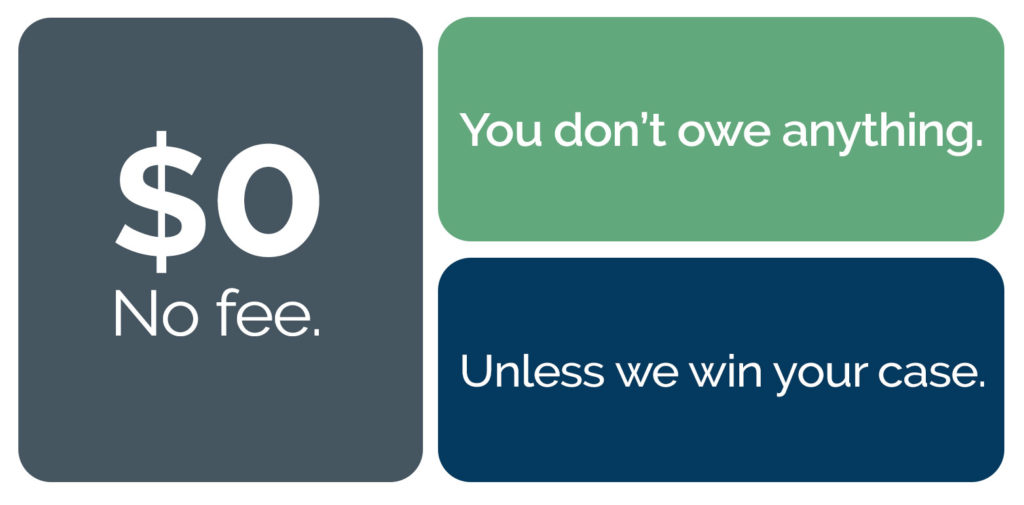
Schedule a consultation to discuss your case with one of our attorneys.
Please fill out the form below; our legal team will get back to you within 24 hours. *Please note this does not create an attorney-client relationship.

© 2020 All rights Reserved. Lowenthal & Lowenthal LLLC
The information presented on this website is for information purposes only and should not be used as a basis of legal advise or guidance. Using this website does not create an attorney-client relationship. Please contact us to see whether we are able to represent you.