
- (808) 242•5000
- Send us an email
- Mon - Fri: 8:00 - 5:00

Traumatic Brain Injury Lawyers
A traumatic brain injury can affect nearly every part of a person’s life, including memory, concentration, mood, movement, work, and relationships. Some brain injuries are immediately obvious, while others may become more noticeable in the days or weeks after an accident.
Traumatic brain injuries can result from car accidents, falls, recreational activities, boating accidents, unsafe property conditions, and other incidents involving a blow or sudden force to the head. When another person or business may be responsible, an injured person may have the right to pursue compensation under Hawaii law.
Because brain injuries can have long-term medical, financial, and personal consequences, these claims often require careful documentation and a clear understanding of future needs. Learning how traumatic brain injury claims work can help you make informed decisions about treatment, evidence, deadlines, and your legal options.
What You'll Learn on This Page
Types of Traumatic Brain Injury Claims
Traumatic brain injury claims can arise from many different types of accidents. The legal issues often depend on how the injury happened, who may have been responsible, and what evidence is available to show that negligence contributed to the harm.
Motor Vehicle Accident Claims – Car, truck, motorcycle, bicycle, and pedestrian accidents are common causes of traumatic brain injuries. A claim may involve another driver, a commercial vehicle company, or another party whose actions contributed to the crash.
Slip and Fall Claims – A person may suffer a brain injury after falling on unsafe flooring, stairs, walkways, or other property conditions. These claims often focus on whether the property owner or manager knew, or should have known, about the hazard.
Recreational Activity Claims – Brain injuries may occur during ziplining, boating, horseback riding, snorkeling, helicopter tours, and other recreational activities. These claims may involve unsafe equipment, poor supervision, inadequate maintenance, or other preventable safety failures.
Premises Liability Claims – Dangerous conditions at hotels, resorts, businesses, rental properties, or other locations may lead to falls or other incidents that cause a head injury.
Defective Product Claims – A traumatic brain injury may result when a defective helmet, safety device, vehicle component, recreational product, or other piece of equipment fails to provide the protection it was designed to provide.
Construction and Worksite-Related Claims – Falling objects, unsafe equipment, dangerous work areas, or third-party negligence can cause serious head injuries. Depending on the circumstances, a separate personal injury claim may exist in addition to any workers’ compensation benefits.
Assault or Negligent Security Claims – In some cases, a brain injury may result from an assault that occurs because a property owner or business failed to provide reasonable security measures under the circumstances.
Wrongful Death Claims – Severe traumatic brain injuries can sometimes result in death. When that happens, surviving family members may have the right to pursue a wrongful death claim under Hawaii law.
Every traumatic brain injury claim is different. Identifying the type of claim and the parties who may be responsible is an important first step in determining what legal options may be available.
Statute of Limitations for Filing a Traumatic Brain Injury Claim
In most Hawaii personal injury cases, a traumatic brain injury lawsuit must be filed within two years after the cause of action accrues. Hawaii Revised Statutes § 657-7 establishes this two-year statute of limitations for claims involving injury to a person.
Determining exactly when that two-year period begins is not always as simple as looking at the date of the accident. Hawaii courts generally apply a discovery rule, meaning a claim may accrue when the injured person knew or reasonably should have known of the injury, the wrongful conduct, and the connection between them.
This can be particularly important with traumatic brain injuries because some symptoms may not be immediately recognized. Problems involving memory, concentration, mood, headaches, sleep, or cognitive function can become more apparent after the initial accident.
Can the Deadline Be Extended?
Injured Minors – Hawaii law generally tolls the statute of limitations when the person entitled to bring the claim was under the age of 18 when the claim accrued. In many personal injury cases, the applicable limitations period does not begin running until the disability of minority ends. Different rules can apply to certain claims, including claims against the State and medical malpractice cases.
Mental Incapacity – Hawaii law also provides tolling in certain cases when the injured person was legally incapacitated when the claim accrued. A severe traumatic brain injury may sometimes leave a person unable to manage legal or business matters, but whether that condition satisfies Hawaii’s legal standard depends on the individual circumstances.
Delayed Discovery – If the injury or its connection to another person’s wrongful conduct could not reasonably have been discovered earlier, the discovery rule may affect when the limitations period begins. This does not automatically extend every brain injury claim simply because symptoms developed gradually.
Fraudulent Concealment – Hawaii Revised Statutes § 657-20 provides an additional exception when a responsible party fraudulently conceals the existence of the claim or the identity of a person who may be liable. In qualifying cases, the law may allow additional time after the injured person discovers or reasonably should have discovered the concealed information.
Some Claims Have Different or Additional Deadlines
Claims Against the State of Hawaii – Tort claims against the State are generally subject to a separate two-year limitations period under Hawaii Revised Statutes § 662-4. Importantly, some tolling protections that apply to ordinary personal injury claims, including Hawaii’s general minority tolling provision, do not apply in the same way to claims against the State.
Claims Against a County – Injuries involving Maui County or another Hawaii county may involve additional notice requirements. Hawaii Revised Statutes § 46-72 generally requires written notice of certain injury claims against a county within two years, including information about when, where, and how the injury occurred and the damages being claimed.
Medical Malpractice Claims – If a traumatic brain injury was caused or worsened by medical negligence, different rules apply. Under Hawaii Revised Statutes § 657-7.3, a medical tort claim generally must be brought within two years after the injury is discovered or reasonably should have been discovered, with a six-year statute of repose in many cases. The statute also contains separate rules for minors and limited circumstances that may toll the deadline.
Because the applicable deadline can depend on who caused the injury, when the injury was discovered, the age and condition of the injured person, and whether a government entity or health care provider is involved, it is important not to assume that every traumatic brain injury claim has the same filing deadline.
Lowenthal & Lowenthal can review the circumstances of a brain injury and help determine which Hawaii filing deadlines apply. Speaking with a Maui traumatic brain injury attorney early can also provide more time to preserve evidence and investigate the cause of the injury before important information is lost.
Evidence Needed to Support a Brain Injury Claim
Traumatic brain injuries are not always visible, and symptoms can affect people differently. Building a strong claim often requires evidence that documents both how the injury occurred and how it has affected the injured person’s health, work, relationships, and daily life.
-
Medical Records – Emergency room records, hospital records, physician notes, rehabilitation records, and follow-up treatment can help establish the diagnosis, severity, and progression of a brain injury.
-
Diagnostic Imaging and Testing – CT scans, MRIs, neurological examinations, and other diagnostic tests may provide important information about the injury. Some traumatic brain injuries, however, may not appear clearly on standard imaging.
-
Neuropsychological Testing – Specialized testing can evaluate memory, attention, concentration, reasoning, processing speed, and other cognitive abilities that may be affected after a brain injury.
-
Statements From Treating Providers – Doctors, neurologists, therapists, and other healthcare professionals can help explain the diagnosis, treatment needs, limitations, prognosis, and potential long-term effects of the injury.
-
Accident Evidence – Photographs, video, police reports, incident reports, vehicle damage, property conditions, equipment records, and other evidence may help establish how the injury occurred and who may be responsible.
-
Witness Statements – People who saw the accident may provide information about how it happened. Family members, friends, and coworkers may also help describe changes in memory, behavior, personality, communication, or daily functioning after the injury.
-
Employment and Income Records – Pay records, tax documents, attendance records, and information from an employer may help show time missed from work, reduced hours, or changes in the injured person’s ability to perform their job.
-
Documentation of Daily Symptoms – Records of headaches, dizziness, fatigue, memory problems, sleep difficulties, mood changes, and other symptoms can help show how the injury affects everyday life over time.
-
Expert Opinions – Depending on the severity of the injury, medical specialists, vocational experts, economists, or life-care planners may be needed to explain future treatment needs, employment limitations, and long-term financial consequences.
Brain injury evidence often develops over time as doctors evaluate symptoms and the injured person progresses through treatment and rehabilitation. Preserving medical records, accident evidence, and documentation of ongoing symptoms early can make it easier to demonstrate the full impact of the injury.

Calculating Damages After a Brain Injury Claim
The value of a traumatic brain injury claim depends on the severity of the injury, the medical treatment required, the effect on the person’s ability to work, and how the injury changes daily life. Because brain injuries can have long-term consequences, calculating damages often requires looking beyond the expenses that have already occurred.
-
Past Medical Expenses – A claim may include emergency care, hospitalization, diagnostic testing, physician visits, medication, rehabilitation, therapy, and other treatment received after the injury.
-
Future Medical Care – Some brain injuries require ongoing treatment, neurological care, rehabilitation, counseling, medication, assistive devices, or other long-term support. Future medical needs may be an important part of the claim.
-
Lost Income – If the injury prevents a person from working during recovery, damages may include wages or other income lost because of the injury.
-
Reduced Earning Capacity – Problems with memory, concentration, communication, decision-making, or physical abilities may affect a person’s ability to return to the same job or earn the same income in the future.
-
Pain and Suffering – Compensation may account for physical pain, headaches, dizziness, fatigue, and other symptoms associated with the injury.
-
Emotional and Cognitive Effects – Traumatic brain injuries can affect mood, personality, memory, concentration, sleep, and emotional well-being. These changes may significantly affect the injured person’s quality of life.
-
Loss of Enjoyment of Life – A brain injury may limit a person’s ability to participate in hobbies, recreation, travel, family activities, or other parts of life they previously enjoyed.
-
Permanent Disability – More severe traumatic brain injuries may result in lasting cognitive or physical limitations that affect independence, mobility, communication, or the ability to perform everyday activities.
-
Future Care and Assistance – Some injured people may require help with transportation, household tasks, personal care, supervision, or other daily needs. In serious cases, a life-care planner may be used to estimate the cost of future support.
There is no single formula for determining what a traumatic brain injury claim is worth. The full value of the claim should reflect both the financial losses and the long-term effect the injury has on the person’s health, independence, work, and quality of life.
In more serious cases, attorneys may work with medical specialists, vocational experts, economists, and life-care planners to better understand future treatment needs, reduced earning capacity, and other long-term damages.
Types of Traumatic Brain Injuries
Traumatic brain injuries can vary widely in severity and symptoms. Some people recover after a relatively mild injury, while others may experience lasting cognitive, emotional, or physical changes that require ongoing medical care and rehabilitation.
-
Concussions – A concussion is a mild traumatic brain injury caused by a blow, jolt, or sudden movement of the head. Symptoms may include headaches, dizziness, confusion, memory problems, sensitivity to light or noise, and difficulty concentrating.
-
Contusions – A brain contusion is a bruise to brain tissue. Contusions may occur when the brain strikes the inside of the skull and can sometimes involve swelling or bleeding.
-
Diffuse Axonal Injuries – These injuries can occur when rapid acceleration, deceleration, or rotational forces stretch or damage nerve fibers throughout the brain. More serious cases may cause significant neurological impairment or loss of consciousness.
-
Penetrating Brain Injuries – A penetrating injury occurs when an object enters the skull and damages brain tissue. These injuries are typically severe and may require emergency surgery and extensive rehabilitation.
-
Intracranial Hemorrhage – Bleeding inside or around the brain can place pressure on brain tissue and may require immediate medical treatment. Examples include subdural, epidural, and intracerebral hematomas.
-
Coup-Contrecoup Injuries – These injuries occur when the brain is damaged both at the point of impact and on the opposite side of the brain after moving within the skull.
-
Moderate and Severe Traumatic Brain Injuries – More serious TBIs may involve prolonged loss of consciousness, significant memory loss, cognitive impairment, physical limitations, or changes in personality and behavior. These injuries may require long-term medical care, therapy, and support.
The type of traumatic brain injury does not always determine how much it will affect a person’s life. Even an injury initially described as mild can cause persistent symptoms that interfere with work, relationships, and everyday activities.
Why Hire a Traumatic Brain Injury Attorney?
Traumatic brain injury claims can be more complex than many other personal injury cases because the effects of the injury may not always be visible or easy to measure. An experienced attorney can help document the full impact of the injury and protect your interests throughout the claims process.
-
Investigating How the Injury Happened – An attorney can gather accident reports, photographs, video, witness statements, maintenance records, and other evidence to help determine who may be responsible.
-
Documenting the Medical Impact – Brain injury claims often depend on detailed medical records, specialist evaluations, neuropsychological testing, and evidence showing how symptoms have developed over time.
-
Evaluating Future Needs – A serious brain injury may require ongoing treatment, rehabilitation, therapy, or assistance with daily activities. An attorney can help identify these future needs so they are considered when evaluating the claim.
-
Calculating the Full Value of the Claim – In addition to current medical bills and lost income, a brain injury claim may involve reduced earning capacity, future medical expenses, pain and suffering, and long-term changes to quality of life.
-
Working With Medical and Financial Experts – Depending on the severity of the injury, attorneys may work with neurologists, rehabilitation specialists, vocational experts, economists, or life-care planners to better understand the long-term consequences.
-
Handling Insurance Communications – Insurance companies may request statements, medical records, or other information while evaluating the claim. An attorney can communicate on your behalf and help make sure important decisions are made with a clear understanding of their potential effect.
-
Monitoring Hawaii Filing Deadlines – An attorney can determine which statute of limitations and other deadlines apply to the claim, including situations involving government entities, minors, or other exceptions.
For someone recovering from a traumatic brain injury, managing a legal claim at the same time can be difficult. Working with a Maui traumatic brain injury attorney allows you to focus on treatment and recovery while your attorney handles the investigation, insurance process, and legal issues surrounding the claim.
How Lowenthal & Lowenthal Can Help
A traumatic brain injury can affect medical care, employment, finances, relationships, and everyday life. Lowenthal & Lowenthal can help you understand your legal options and manage the claims process while you focus on treatment and recovery.
-
Investigate How the Injury Happened – We can gather accident reports, photographs, video, witness statements, maintenance records, and other evidence to help determine who may be responsible.
-
Document the Full Extent of the Brain Injury – Our attorneys can review medical records, diagnostic testing, specialist evaluations, rehabilitation records, and other evidence showing how the injury has affected your health and daily life.
-
Work With Appropriate Experts – Depending on the circumstances, we may work with medical specialists, vocational experts, economists, or life-care planners to better understand future treatment needs and long-term financial effects.
-
Evaluate Your Current and Future Losses – We can consider medical expenses, lost income, reduced earning capacity, future care, pain and suffering, and other ways the injury may affect your future.
-
Handle Insurance Communications – We can communicate with insurance companies on your behalf, respond to requests for information, and help protect your interests throughout the claims process.
-
Monitor Hawaii Filing Deadlines – We can determine which statutes of limitations and other deadlines apply and take the necessary steps to preserve your claim.
-
Guide You Through the Legal Process – We can explain what to expect at each stage of the claim and help you make informed decisions based on your circumstances and recovery needs.
If you or someone you love has suffered a traumatic brain injury because of another person’s negligence, contact Lowenthal & Lowenthal to discuss what happened and learn more about your legal options under Hawaii law.
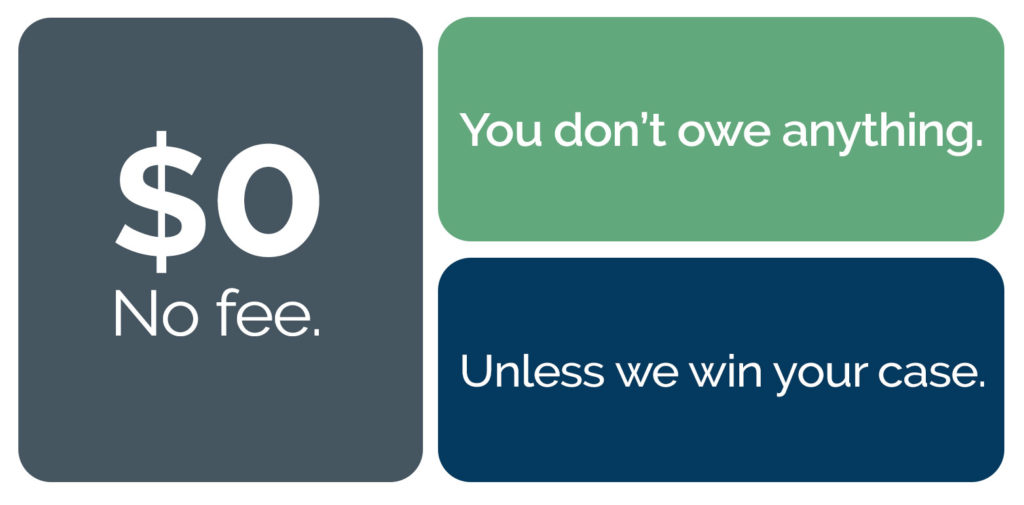
Schedule a consultation to discuss your case with one of our attorneys.
Please fill out the form below; our legal team will get back to you within 24 hours. *Please note this does not create an attorney-client relationship.

© 2020 All rights Reserved. Lowenthal & Lowenthal LLLC
The information presented on this website is for information purposes only and should not be used as a basis of legal advise or guidance. Using this website does not create an attorney-client relationship. Please contact us to see whether we are able to represent you.