
- (808) 242•5000
- Send us an email
- Mon - Fri: 8:00 - 5:00

Insurance Claims After a Maui Injury
After an injury on Maui, many people find themselves dealing with medical treatment, insurance companies, paperwork, and questions about what happens next. Whether you were injured in a car accident, at a resort, during a recreational activity, or another incident, understanding the insurance claims process can help you make informed decisions during your recovery.
Every injury claim is unique, but many follow a similar path. Knowing how insurance claims work, what information may be requested, and how Hawaii’s laws apply can help reduce uncertainty and prepare you for the road ahead.
This guide provides an overview of the insurance claims process after a Maui injury and links to more detailed resources that explain each step in greater depth.
What You'll Learn on This Page
How the Insurance Claims Process Begins
While every personal injury claim is unique, most insurance claims begin with the same general process. Understanding these early steps can help you know what to expect and prepare you for the decisions that may follow.
Reporting the Accident
The claims process typically begins when an accident or injury is reported to the appropriate insurance company. Depending on the circumstances, this may involve your own insurance carrier, another party’s insurer, or multiple insurance companies. Early documentation, including accident reports, photographs, and witness information, can help establish the facts surrounding the incident.
Medical Treatment
Receiving appropriate medical care is often one of the most important priorities after an injury. Medical records help healthcare providers diagnose and treat your injuries while also documenting the nature and extent of the harm you have suffered. As treatment continues, additional information may become available about your recovery and future medical needs.
Insurance Investigation
Once a claim is opened, the insurance company typically begins investigating the incident. An adjuster may review accident reports, medical records, photographs, repair estimates, witness statements, and other available evidence to better understand what happened and evaluate the claim. The investigation may continue as additional information becomes available.
These initial steps lay the foundation for the remainder of the claims process. As your claim progresses, questions about insurance coverage, liability, settlement negotiations, and Hawaii law may also arise. The following sections provide an overview of these topics and link to more detailed resources for additional guidance.
Types of Insurance Claims After a Maui Injury
The insurance claims process can vary depending on how an injury occurred. Different types of accidents may involve different insurance policies, legal issues, and parties responsible for paying compensation. Understanding the type of claim you may have is an important first step in navigating the process.
-
Motor Vehicle Claims – Car accidents, motorcycle accidents, bicycle accidents, pedestrian accidents, and rental car collisions often involve multiple insurance coverages and Hawaii’s no-fault insurance system. These claims may include property damage, personal injury protection (PIP) benefits, bodily injury claims, and uninsured or underinsured motorist coverage.
-
Premises Liability Claims – Injuries occurring on another person’s property, such as a resort, hotel, restaurant, store, or other business, may involve premises liability insurance. These claims often focus on whether unsafe property conditions contributed to the injury.
-
Recreational Activity Claims – Injuries involving snorkeling excursions, helicopter tours, zipline attractions, boating activities, and other recreational experiences may involve commercial liability insurance and multiple potentially responsible parties. These claims often require a detailed investigation into how the incident occurred.
-
Wrongful Death Claims – When an accident results in the loss of a loved one, surviving family members may have the ability to pursue a wrongful death claim. These cases often involve unique legal considerations and can differ from other personal injury claims.
Although every claim is different, many follow a similar insurance process. The following sections explain some of the Hawaii laws, insurance rules, and common issues that may affect your claim, with links to more detailed resources where you can learn more.
Understanding Hawaii Insurance Laws
Several Hawaii laws can affect how an insurance claim is handled after an injury. Understanding these rules can help you better navigate the claims process and make informed decisions as your case progresses. The following resources provide more detailed information about each topic.
-
Hawaii No-Fault Insurance – Hawaii follows a no-fault insurance system for most motor vehicle accidents. This means your own insurance may initially pay certain medical expenses regardless of who caused the accident.
-
Statute of Limitations – Hawaii law generally limits the amount of time available to file a personal injury lawsuit. Missing an important deadline may affect your ability to pursue compensation. Learn more on our What Is the Hawaii Statute of Limitations? page.
-
Comparative Negligence – In some cases, more than one party may share responsibility for an accident. Hawaii’s comparative negligence rules may affect how compensation is determined when multiple parties are found to be at fault.
These laws are only one part of the insurance claims process. Understanding how they apply to your specific situation can help you better evaluate your options following a Maui injury.

Communicating with an insurance company is a normal part of most personal injury claims. Understanding what to expect and how the claims process typically works can help you make informed decisions while protecting your interests throughout your recovery.
-
Insurance Adjusters – Insurance adjusters investigate claims, gather information, review evidence, and evaluate damages. Understanding their role can help you prepare for conversations during the claims process. Learn more on our Should I Talk to the Insurance Adjuster? page.
-
Recorded Statements – An insurance company may ask you to provide a recorded statement after an accident. Before doing so, it is important to understand why the statement is being requested and how it may affect your claim. Our Should I Talk to the Insurance Adjuster? guide explains this topic in greater detail.
-
Settlement Offers – Insurance companies may present a settlement offer before the full extent of an injury is known. Understanding your injuries, medical treatment, future needs, and available compensation can help you evaluate any offer before making a decision.
-
Documentation – Medical records, accident reports, photographs, repair estimates, receipts, and other supporting documents often play an important role in the claims process. Keeping organized records can make it easier to respond to requests for information and support your claim.
Every insurance claim is different, but understanding the process before important decisions are made can help you move forward with greater confidence and clarity.
Common Challenges During an Insurance Claim
No two insurance claims are exactly alike. While some claims are resolved relatively quickly, others involve legal, medical, or insurance issues that require additional investigation and documentation. Understanding these common challenges can help you better prepare for the claims process.
-
Serious Injuries – Claims involving traumatic brain injuries, spinal cord injuries, multiple fractures, or other severe injuries often require ongoing medical treatment and long-term evaluation. Determining the full extent of an injury may take time, making it important to understand both current and future medical needs before resolving a claim.
-
Multiple Insurance Policies – Some accidents involve more than one insurance policy. Depending on the circumstances, personal injury protection (PIP), bodily injury liability coverage, uninsured or underinsured motorist coverage, commercial insurance, or umbrella policies may all become relevant. Understanding how these policies interact can make the claims process more complex.
-
Visitors Returning Home – Many people injured while visiting Maui return home before their insurance claim is resolved. Fortunately, many claims can continue remotely through phone calls, email, and document sharing. Learn more on our Injured While Visiting Maui? page.
-
Disputed Liability – Sometimes the parties involved disagree about how an accident occurred or who was responsible. These situations may require additional investigation, accident reconstruction, witness statements, or other evidence to help determine liability and evaluate the claim.
Although these challenges can make an insurance claim more complicated, understanding the process and knowing where to find reliable information can help you make informed decisions throughout your recovery.
How Lowenthal & Lowenthal Can Help
Navigating an insurance claim after a Maui injury can feel overwhelming, especially while you are recovering and trying to understand Hawaii’s insurance laws. Lowenthal & Lowenthal helps injured individuals understand the claims process, answer important questions, and make informed decisions from beginning to end.
-
Explaining Hawaii Insurance Laws – We help clients understand important topics such as Hawaii’s no-fault insurance system, filing deadlines, comparative negligence, and other laws that may affect their claim.
-
Managing Communications – Insurance claims often involve ongoing communication with adjusters, healthcare providers, and insurance companies. We help clients navigate these conversations while keeping them informed throughout the process.
-
Evaluating Insurance Coverage – Some claims involve multiple insurance policies and different types of available coverage. We help clients understand what insurance may apply and how those coverages can affect their claim.
-
Protecting Your Interests – From recorded statements to settlement offers, we help clients understand their options before making important decisions that could affect their rights or their claim.
-
Guiding You Through the Process – Every injury claim is unique. Our goal is to provide clear guidance, answer your questions, and help you move forward with confidence while focusing on your recovery.
Whether your injury occurred in a car accident, at a Maui resort, during a recreational activity, or in another incident, Lowenthal & Lowenthal is here to help you understand the insurance claims process and the options that may be available to you.
Resources to Help You Understand the Process
Every insurance claim is different, and questions often arise throughout the process. The following resources provide more detailed information about some of the most common topics people encounter after an injury on Maui. Together, these guides can help you better understand Hawaii’s insurance laws, your options, and what to expect as your claim moves forward.
-
What Happens After a Maui Car Accident? – Learn what to expect after a collision, including medical treatment, insurance investigations, common mistakes, and the claims process.
-
Hawaii No-Fault Insurance Explained – Understand how Hawaii’s no-fault insurance system works, what PIP benefits cover, and when additional claims may be available.
-
Hawaii UIM Coverage Explained – Learn how uninsured and underinsured motorist coverage may help protect you after a serious accident.
-
What Is the Hawaii Statute of Limitations? – Learn about important legal filing deadlines and why acting promptly after an injury can be important.
-
Should I Talk to the Insurance Adjuster? – Understand the role of insurance adjusters, recorded statements, and how to protect your interests during the claims process.
-
Can I File a Hawaii Injury Claim After Returning Home? – Learn how many injury claims continue after visitors leave Hawaii and how the process can often be managed remotely.
These educational resources are designed to answer common questions and help you better understand each stage of the insurance claims process. As additional guides are added to our website, this page will continue to serve as a central resource for Hawaii personal injury insurance information.
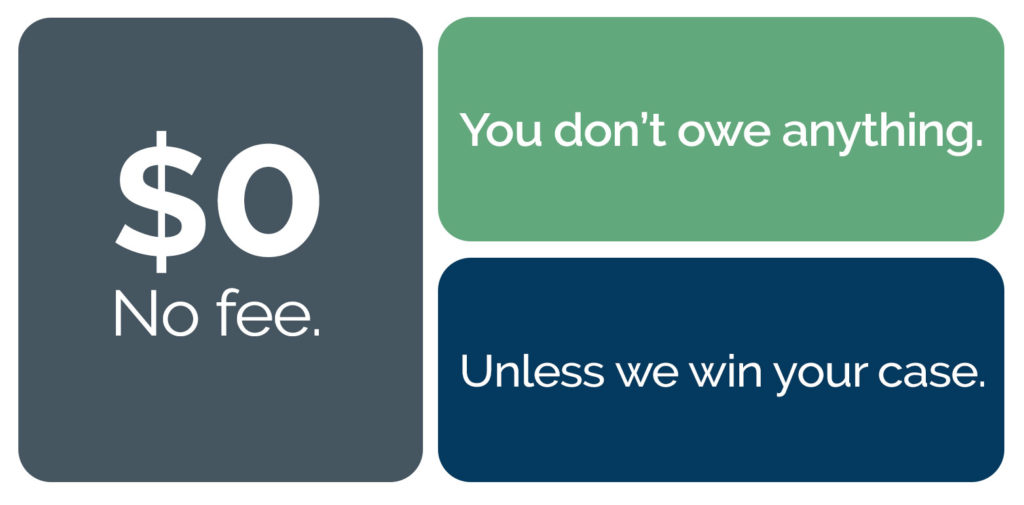
Schedule a consultation to discuss your case with one of our attorneys.
Please fill out the form below; our legal team will get back to you within 24 hours. *Please note this does not create an attorney-client relationship.

© 2020 All rights Reserved. Lowenthal & Lowenthal LLLC
The information presented on this website is for information purposes only and should not be used as a basis of legal advise or guidance. Using this website does not create an attorney-client relationship. Please contact us to see whether we are able to represent you.